Hoi An Central Market before lunch: reading stalls, trades and the fish sellers
Hoi An’s Central Market changes hour by hour. Learn how the wet stalls, food area and fish trade work, how it differs from Thanh Hà, and how to shop politely.
 Cat Ba Connect4 min read
The short answer
Hoi An Central Market works best before lunch. Its stalls sell produce, fish, dry goods, souvenirs and cooked food, and one guide says fish bargaining starts around 7:00 as catches come in. For a true fish market, the separate Thanh Hà site, about three kilometres west of the Ancient Town, trades far earlier. Published hours disagree, so aim for the morning. Wear closed shoes, buy before you photograph, and keep moving past anyone who is working.
A market with an older trade behind it
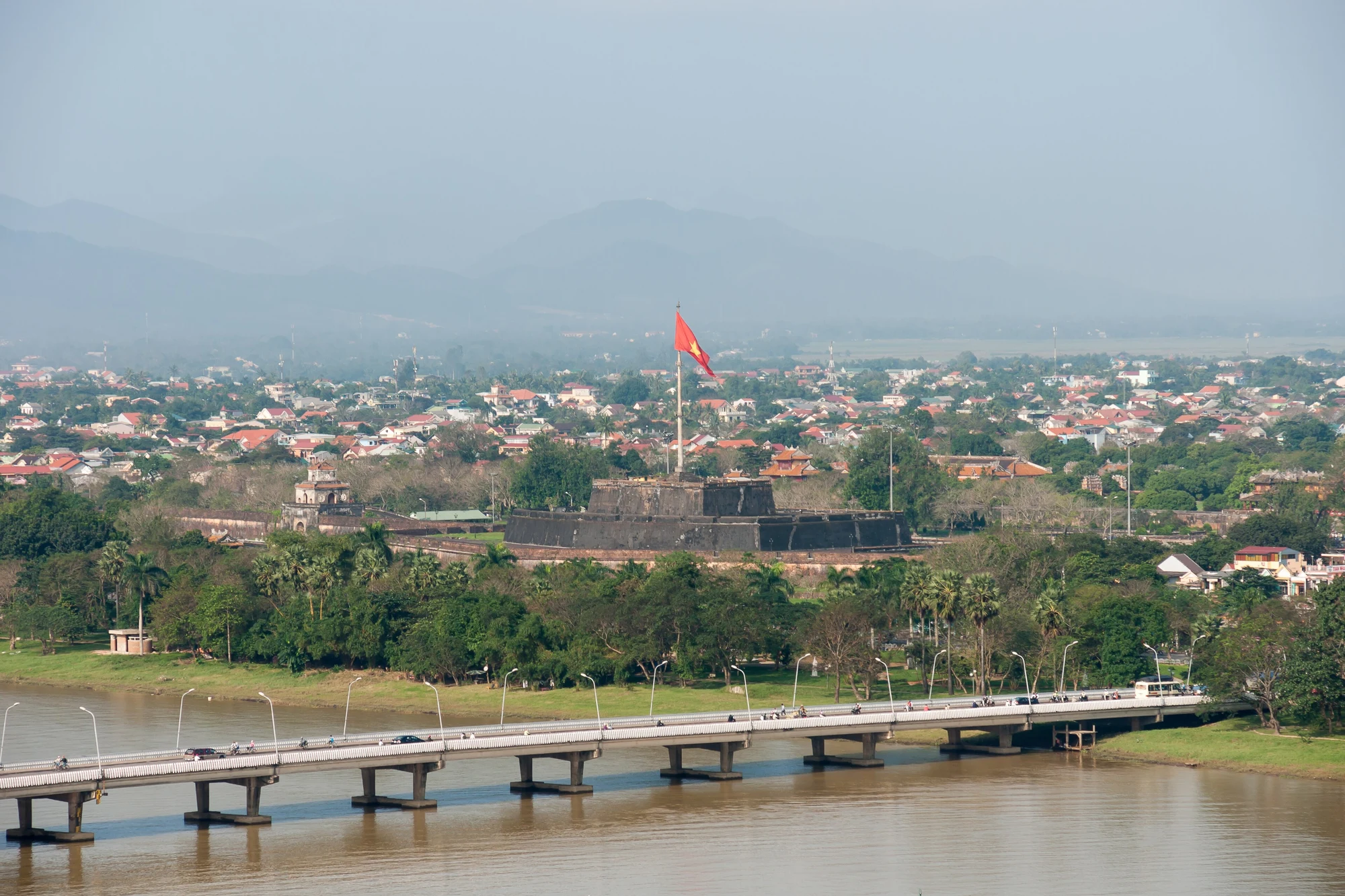
You are walking into a trading town. Vietnam’s tourism board describes Hoi An as a powerful international port by the 16th century, with merchant ships on the Thu Bồn, and Green SM’s guide says travellers’ accounts of the 17th and 18th centuries and 19th-century Nguyễn records mention a market here. Treat the second claim as a travel guide’s summary rather than a verified chain, and do not expect today’s building to be that market.
Today’s version sits at the junction of Trần Phú, Bạch Đằng and Nguyễn Thái Học, by the river, and it is small enough to cross in minutes. Its value is in the detail. Move slowly, because a market like this reads as a series of trades, with dry goods, vegetables, fish, cooked food and tourist goods each following a different clock.
Reading the zones, in the order they wake up
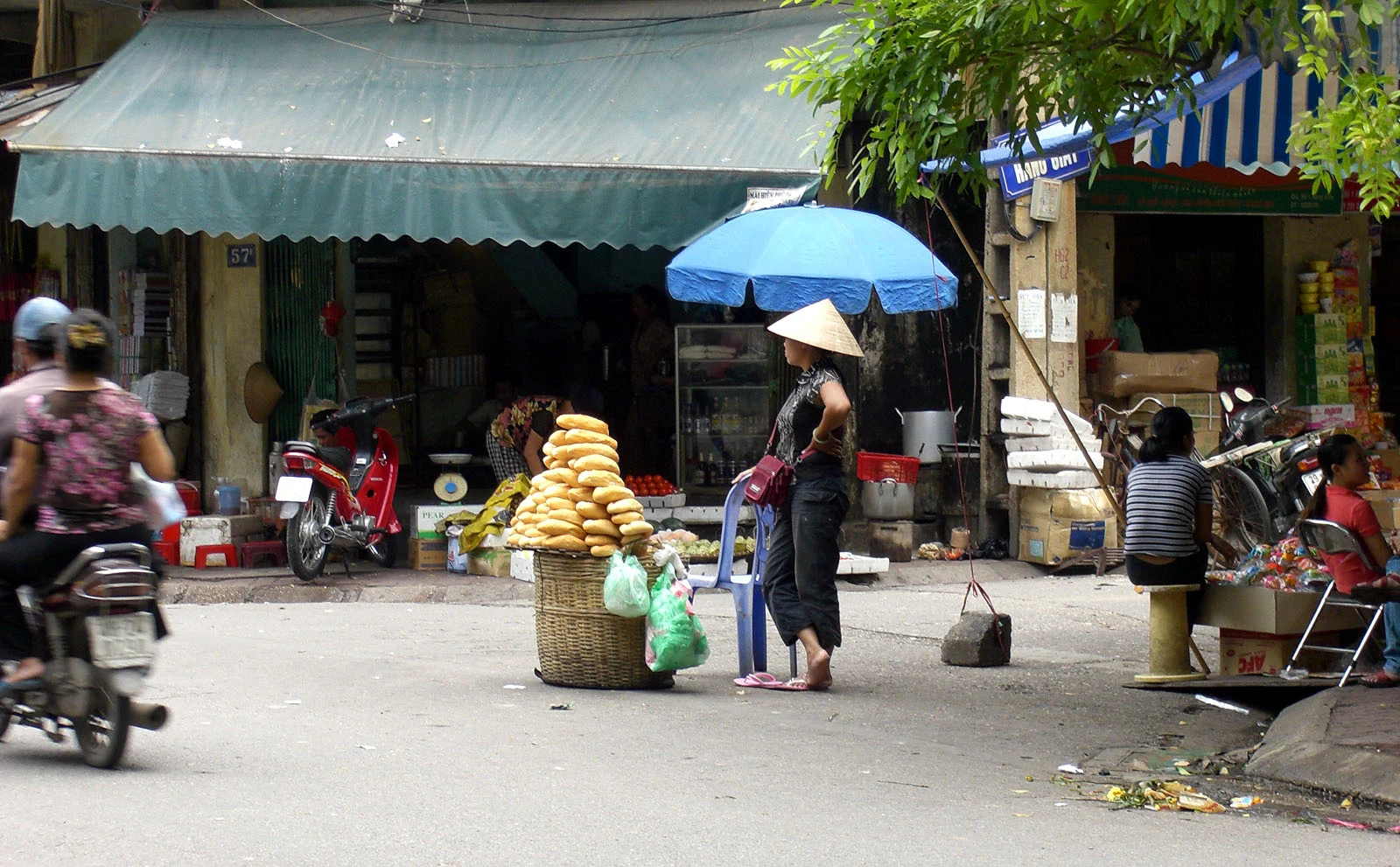
VinWonders names the zones plainly: dry goods, fresh seafood, fruit, vegetables and eggs, souvenirs and a food area. Evivatour’s guide says outdoor stalls ring the main building, and it describes the structure as brick with a fish-scale roof and a covered well between the gates. Use those details to orient yourself.
The fish clock is the one to catch. Evivatour says bargaining over fish usually starts around 07:00 as fishermen unload, and warns that floors can be damp and sticky, especially there. Early arrival gets you the sequence: stock arriving, then buyers, then the slowdown. Closed shoes are worth it.
The fish market most people mean is elsewhere
A correction to a common assumption: we found no good source for a dedicated riverside fish market at Bạch Đằng. The nearby wet stalls exist, but the dedicated trade happens at Thanh Hà, about three kilometres west of the Ancient Town. Vietnam Discovery says boats return there around 5:00; Green SM gives an opening of 03:00 and calls it a wholesale hub; LocalVietnam says the day’s catch is traded before sunrise.
Those differences are normal for a market that depends on boats and weather, so treat the times as a guide. If watching a catch traded matters to you, this is the right stop, and it is a very different visit: no-frills, wet, wholesale, and with people working fast. If you only want a bowl of cao lầu and a look around, stay in town.
Food stalls: when, and what to expect
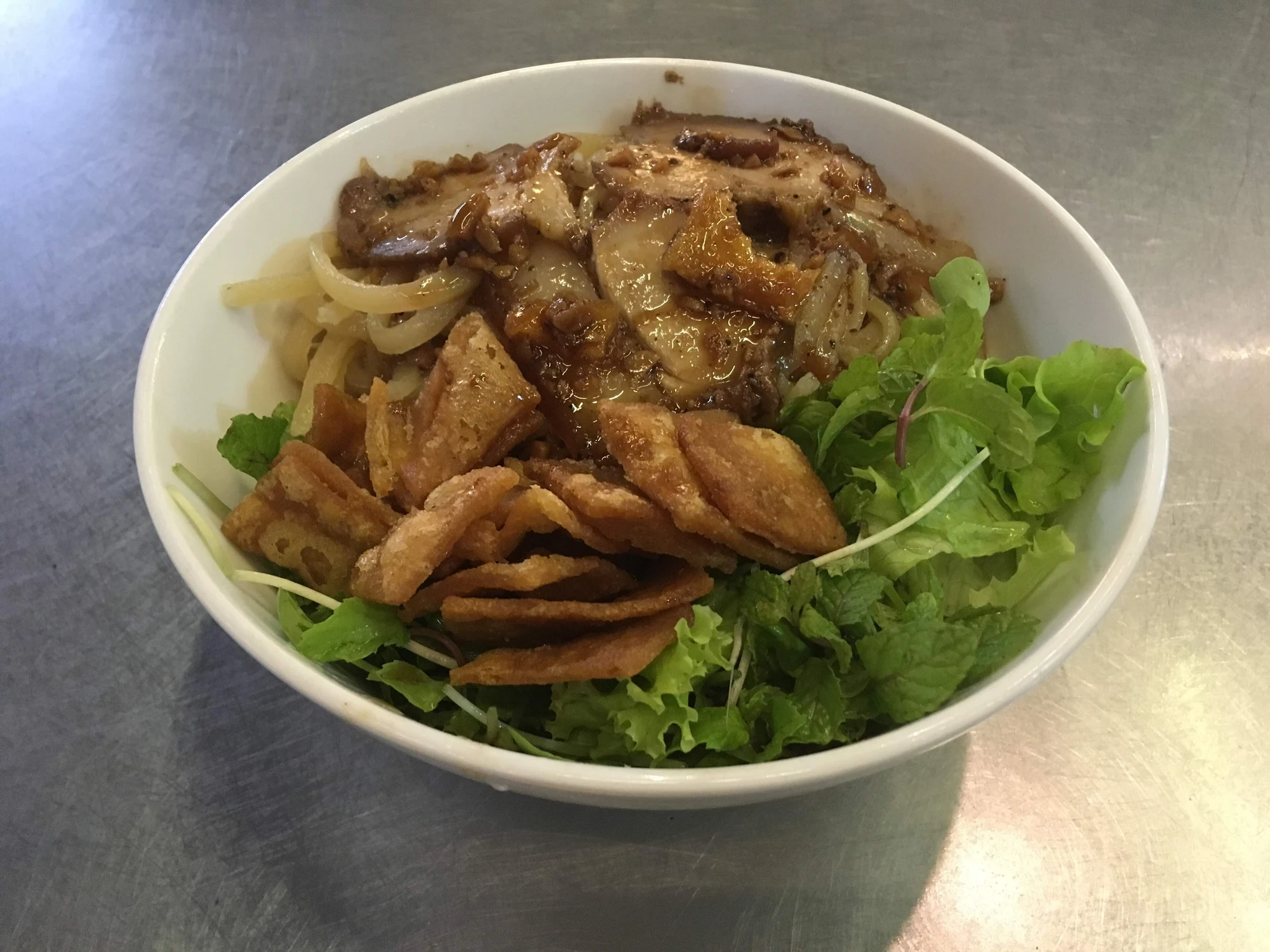
VinWonders lists bánh mì, cao lầu, mì Quảng, bánh xèo, bánh đập with clams, grilled meat in rice paper and chè in the market’s food area, with reference prices. Treat those as an indication that a light meal here is modest, not as a menu. The same page warns that the food area may open later than the main market, and it gives two different closing times.
A sensible plan is to walk the wet stalls first, then sit down for a late breakfast. The tasting guide on this site suggests keeping portions small to compare dishes, and that holds here. Ask what is in anything shared, and check the price or portion before sitting. If a stall tries to steer you to a seat, a polite no is fine.
Manners, photographs and the flood line
Sellers here are working, and a morning market is not a stage. Buy something small if you want to linger at a stall, ask before lifting your camera, and step aside for anyone carrying a load. Our guide to market prices covers units, and our craft workshop photography piece covers consent, which applies just as well to a woman gutting fish. Zooming in on someone’s hands without asking is no more polite than doing it to their face.
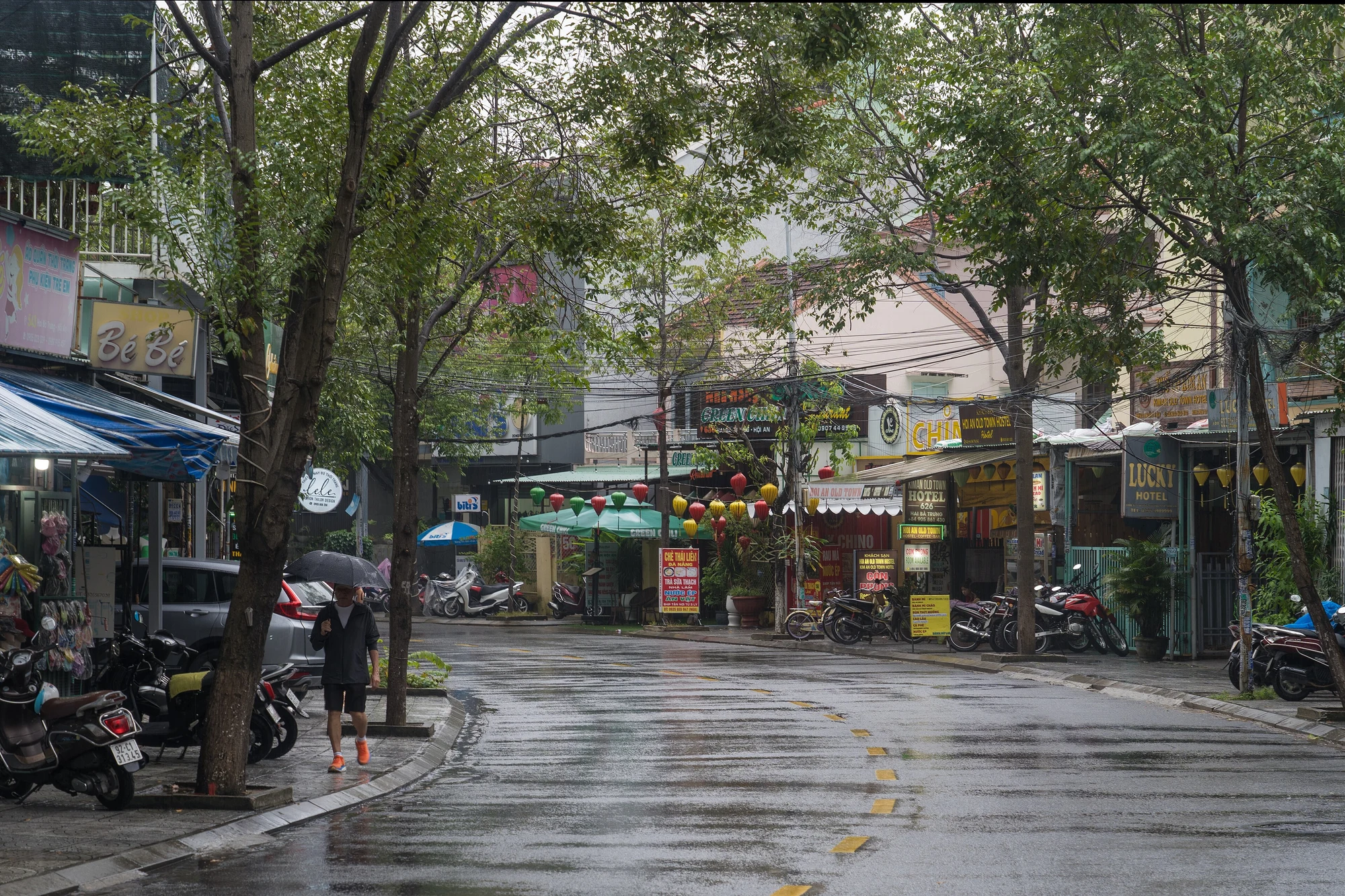
Check the weather in the wet months too. SGGP reported that streets including Bạch Đằng and Trần Phú flooded from 27 October 2025, with depths of up to nearly 1.5 metres near the Hoài River, and food stalls closed. Guides’ hours, which range from 16:00 to 22:00 for closing, mean little on such days. Confirm before you go.
Questions travellers ask
What time should I go to Hoi An Central Market?
Go in the morning. One guide says fish bargaining starts around 07:00. Closing times vary widely between guides, so do not plan around a late visit.
Is there a fish market in Hoi An?
Yes. Thanh Hà, about three kilometres west of the Ancient Town, is the dedicated wholesale fish market, trading before sunrise. The Central Market also sells fish, on a smaller scale.