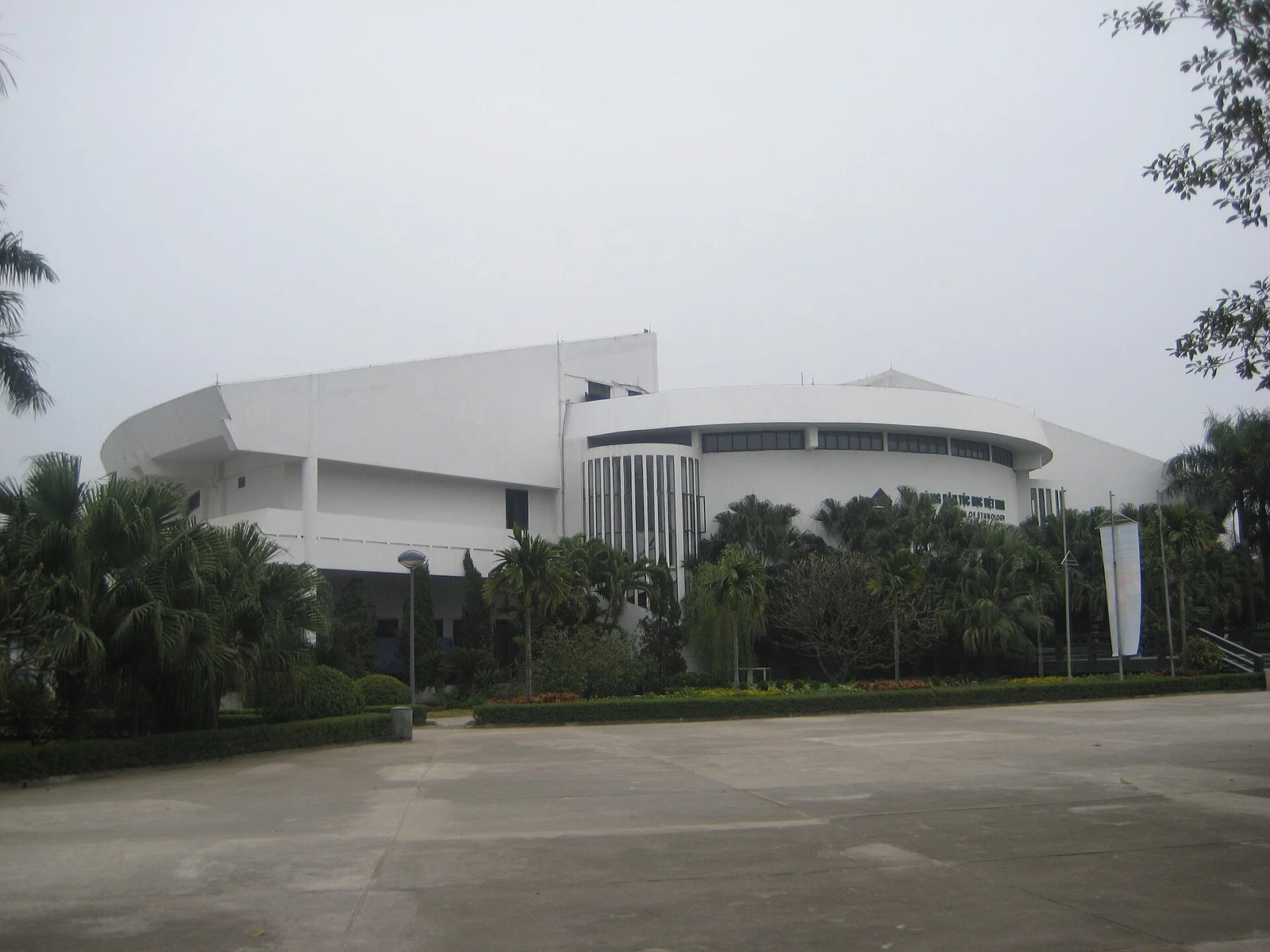
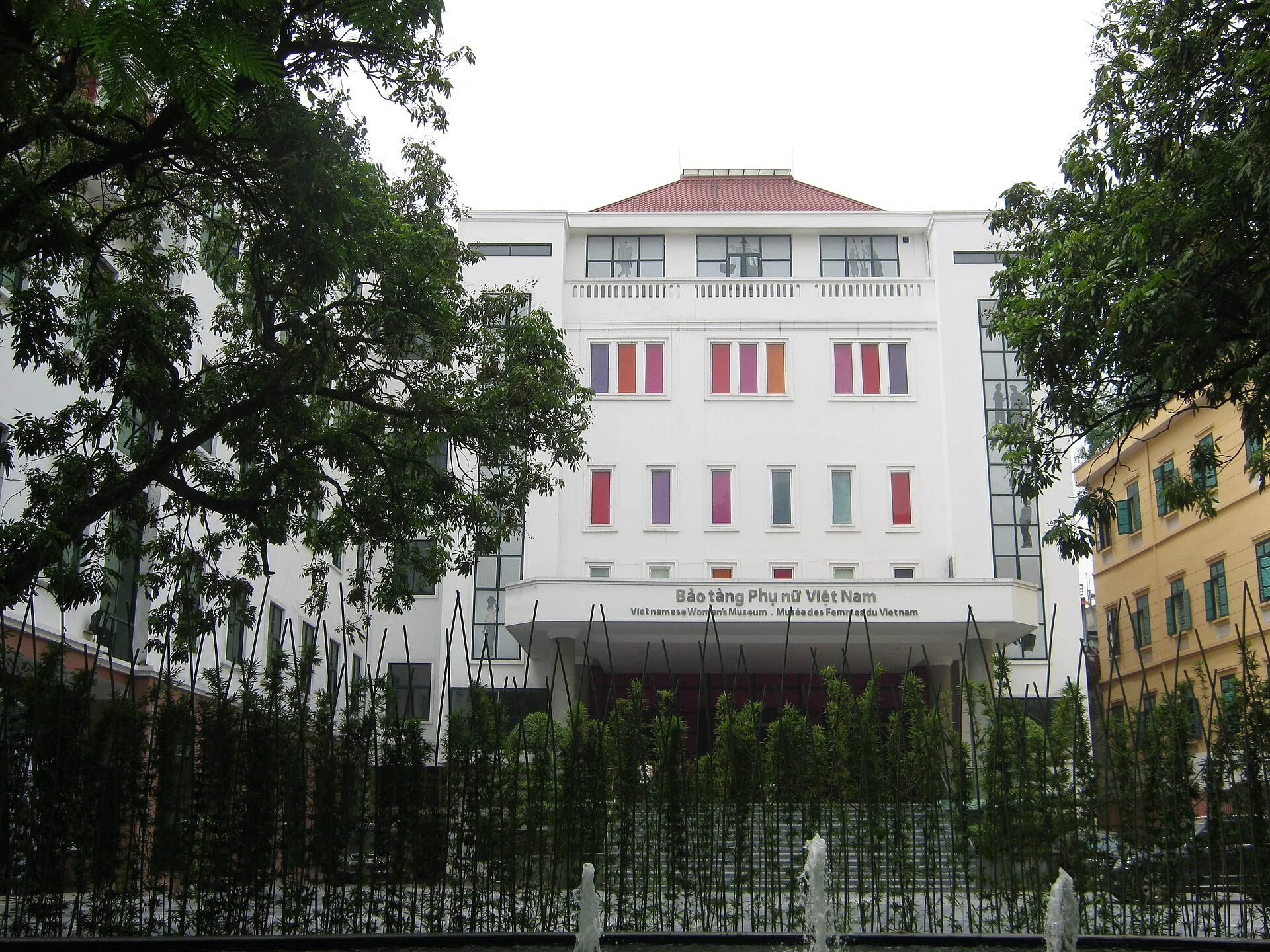
The outdoor houses at Vietnam Museum of Ethnology: reading structure, not just style
The museum’s outdoor houses were made by people, with arguments and repairs. Read the Ede longhouse, Bana rong house and Giarai tomb as structures and agreements.
 Cat Ba Connect4 min read
The short answer
The outdoor garden at the Vietnam Museum of Ethnology shows ten structures, among them a Bana communal house, an Ede longhouse, a Tay stilt house and a Giarai tomb. Read each one as a set of decisions, not a costume in timber. Who built it, who repairs it, and what can a copy not do? The Giarai tomb is the sharpest case: villagers reportedly refused to build it without the proper ceremony. Allow most of your visit for the garden, and look at joints, roofs and repairs.
Copy, relocation or something else?
Travel pages often say these are houses moved from their villages. Others call them replicas. The more useful answer, from press reports, is that several were built at full size by members of the communities concerned, so they are neither originals nor mere models. A National Museum of History page lists ten buildings in the Architectural Garden, naming the Cham house, Kinh house, Bana communal house, Ede longhouse, Tay stilt house, Yao house, Hmong house with a pơ mu roof, Hani house with beaten walls and the Giarai tomb.
Ask about each one: was it transported, or rebuilt? The difference matters. A rebuilt house preserves a skill. A moved one preserves an object.
The rông that keeps calling its builders back
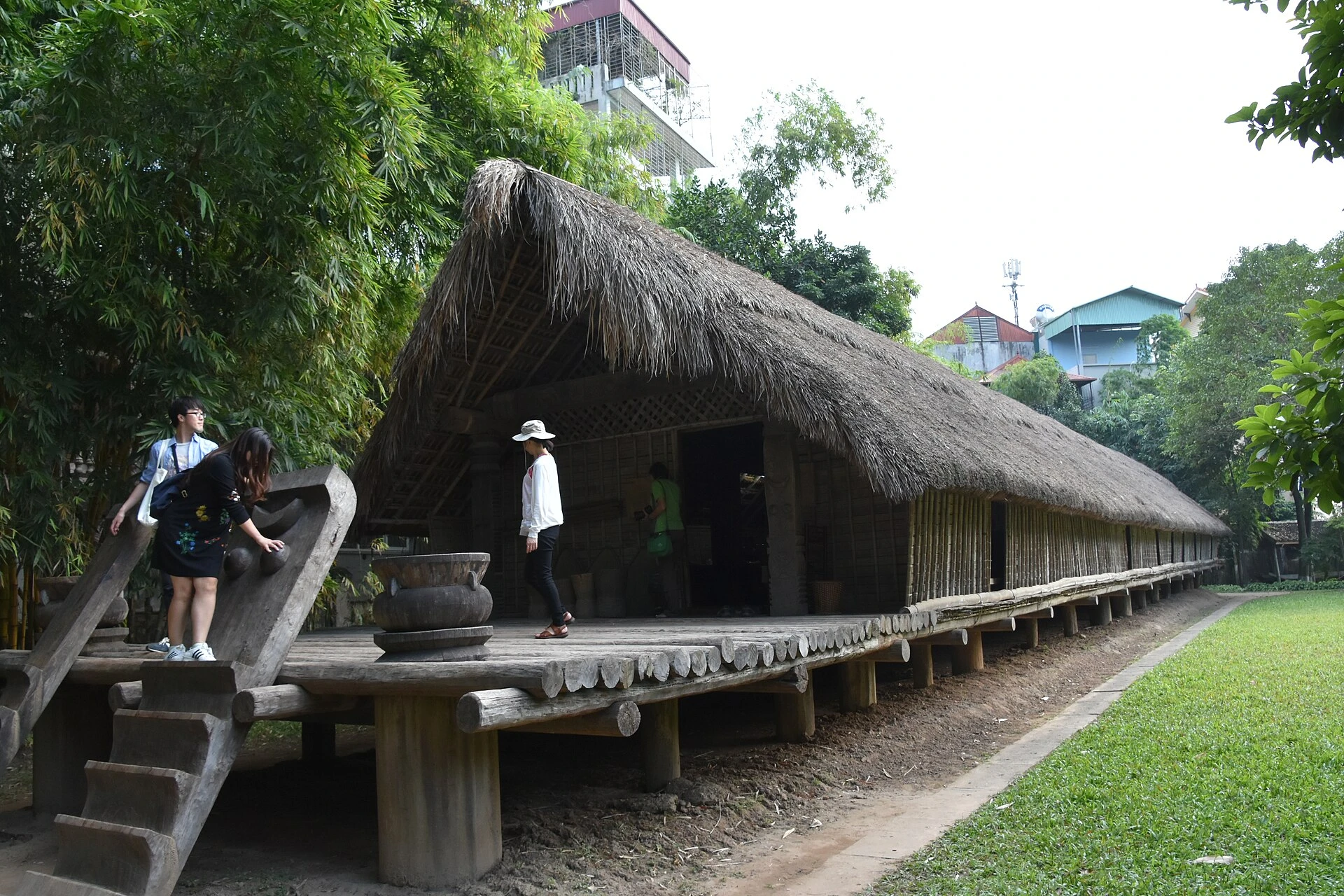
The Bana communal house, reported at 19 metres high, is best understood as a relationship. VOV reports that people from Kon Rbàng village first came to Hanoi to raise it in 2003, about 30 of them, and that a major repair in 2025 took more than a month with more than 20 artisans, including young people on their first such job. About half of the original group have since died.
There is a twist. After 2003, villagers re-roofed their own rông at home in thatch instead of corrugated iron, and materials are now scarce. The Hanoi project may have influenced the original. Dr Bùi Ngọc Quang describes the museum as handing back the right to care for the house. Look up at the roof framing and consider who now knows how to do this.
A tomb nobody wanted to build
The Giarai tomb is modelled on one at Kép Pinh village in Chư Pả, Gia Lai. According to one detailed account, villagers refused to build it for the museum, because without the abandonment ceremony they believed the spirits would harm them, and the museum hired five people from another village. Treat that as a reported story.
Read the structure with this in mind. In Giarai practice, the permanent funeral house is built for the abandonment ceremony and afterwards left to decay. The carved figures around the fence include couples, pregnant women and mourners holding their faces, and some sources sensationalise them. Here is a building meant to rot, kept upright in a museum garden. Resist the joke photo.
The Ede longhouse grows with its daughters
At a reported 42.5 metres, the Ede longhouse is the garden’s best lesson in structure as kinship. Báo Pháp Luật describes it as home to an extended matrilineal family, lengthened when a woman of the household marries. Walk its full length and count the units as if each one were a marriage. The same report says the house and the Bana rông were restored in 2016 with the artisan Y Viên, who noted that homes back in the Highlands had changed to metal roofs and cement.
That report also gives 2,608 longhouses in Đắk Lắk at the end of 2011, against a recollection of 50 to 60 per village in earlier times. Those figures are dated, but they frame the garden correctly. It is not a picture of how everyone lives now, and people in these communities are not exhibits of the past.
Four structural comparisons to take home
Try comparing how each house meets the ground. A Tay house stands on stilts. A Yao house is part stilts, part ground. A Hani house has beaten earth walls that carry load. A Hmong house here is listed with a pơ mu wood roof. Each of these is an answer to slope, damp, cold, materials and family structure, and the differences are easier to see here, side by side, than on any single trip.
One current guide suggests about 60 minutes for the garden and warns that midday is hot, but check opening details directly, because the museum’s own site could not be opened for this guide. Do not lean on carvings. When you later visit a village, ask first, and accept no.
Questions travellers ask
Are the outdoor houses originals moved to Hanoi?
Sources differ, and the honest answer varies by building. Reports show the Bana house and Giarai tomb being built at the museum by community members or hired builders. Ask about the specific house.
Is the Giarai tomb suitable for children?
Some carved figures are sexually explicit. They have a religious meaning connected with life and fertility, so explain that first if you are visiting with children.