Sá sùng, ngán and chả mực: a Quang Ninh seafood menu decoded
Sá sùng is a sand worm, ngán a prized shellfish and chả mực a squid cake. Here is how to read all three on a Quảng Ninh menu, plus what dried sá sùng is for.
 Cat Ba Connect4 min read
The short answer
These three names cover very different things. Sá sùng is a peanut worm, Sipunculus nudus, dug from tidal flats and protected as a Vân Đồn geographical indication; it is eaten fresh or dried and is prized for sweetening broth. Ngán is a shellfish that guides link to Quan Lạn and Vân Đồn. Chả mực is a pounded squid patty. Ordering well means asking which form you are getting, where it came from and how it is sold.
A worm, a clam and a cake walk into a menu
A Quảng Ninh restaurant may list these three side by side as local specialities, which hides how little they share. One is an unsegmented marine worm, one a bivalve, and one a made food. Knowing that changes what you ask. For the worm, ask fresh or dried. For the shellfish, ask origin and unit. For the patty, ask how it was made.
The short version is worth keeping on your phone: sá sùng is valued largely for what it does to a broth, and chả mực is a cooked product with its own recipe. Neither is something you pick from a tank in the way visitors choose fish, so the useful checks here are form, origin and portion, plus the usual question of what the listed price covers.
Sá sùng: from tidal sand to soup pot
Znews identifies sá sùng as Sipunculus nudus and says Vân Đồn has held geographical indication protection for it since 2015, with wild harvest mostly on the tidal flats around Minh Châu and Quan Lạn islands. A national science journal confirms that the Intellectual Property Office issued the certificate as the result of a project under the 2011 to 2015 support programme. It is dug by hand tools, which is part of how the resource is protected.
The dish you will meet most simply is a soup with lá lốt leaves. Sá sùng also has a less familiar afterlife as a distinctive fish sauce. On the fresh product, Znews describes off-white to pale pink flesh that turns white when cooked, useful when a plate arrives without explanation.
Why a dried worm ends up in pho
Dried sá sùng is the form visitors end up buying, and it reads differently: off-white to yellowish brown, turning chestnut when roasted. Znews reports that some experienced cooks drop a small handful into pho broth alongside bones and the usual spices for a natural sweetness. The article frames this as a cook’s tip, and we present it the same way. Do not expect every bowl in the province to contain it, and do not take a shop’s word for it without asking.
If a broth is advertised as sweetened with sá sùng, the honest question is whether it is in the pot or only in the name. A vendor who can show the dried product is giving you more than a sign can. Label reading matters too: the protected name concerns Vân Đồn.
Ngán needs a location, not a superlative
Travel guides are enthusiastic about ngán and thin on verifiable detail. MIA’s guide says it is most abundant around Quan Lạn and Vân Đồn, is easiest to harvest in summer and autumn, and costs more in winter when it burrows deep. It lists grilled, briefly steamed, porridge and a banana-blossom salad among the usual forms. The same guide’s claim that southern ngán is less tasty is an opinion, and we would not repeat it to a waiter as fact.
We could not pin down a single agreed species name for ngán, and we could not find a geographical indication for it as we did for sá sùng. So ask where it was harvested, and treat the answer as information, not proof. The Cat Ba shellfish guide on this site covers ngán alongside tu hài and bề bề.
Chả mực is the one you can judge by chewing
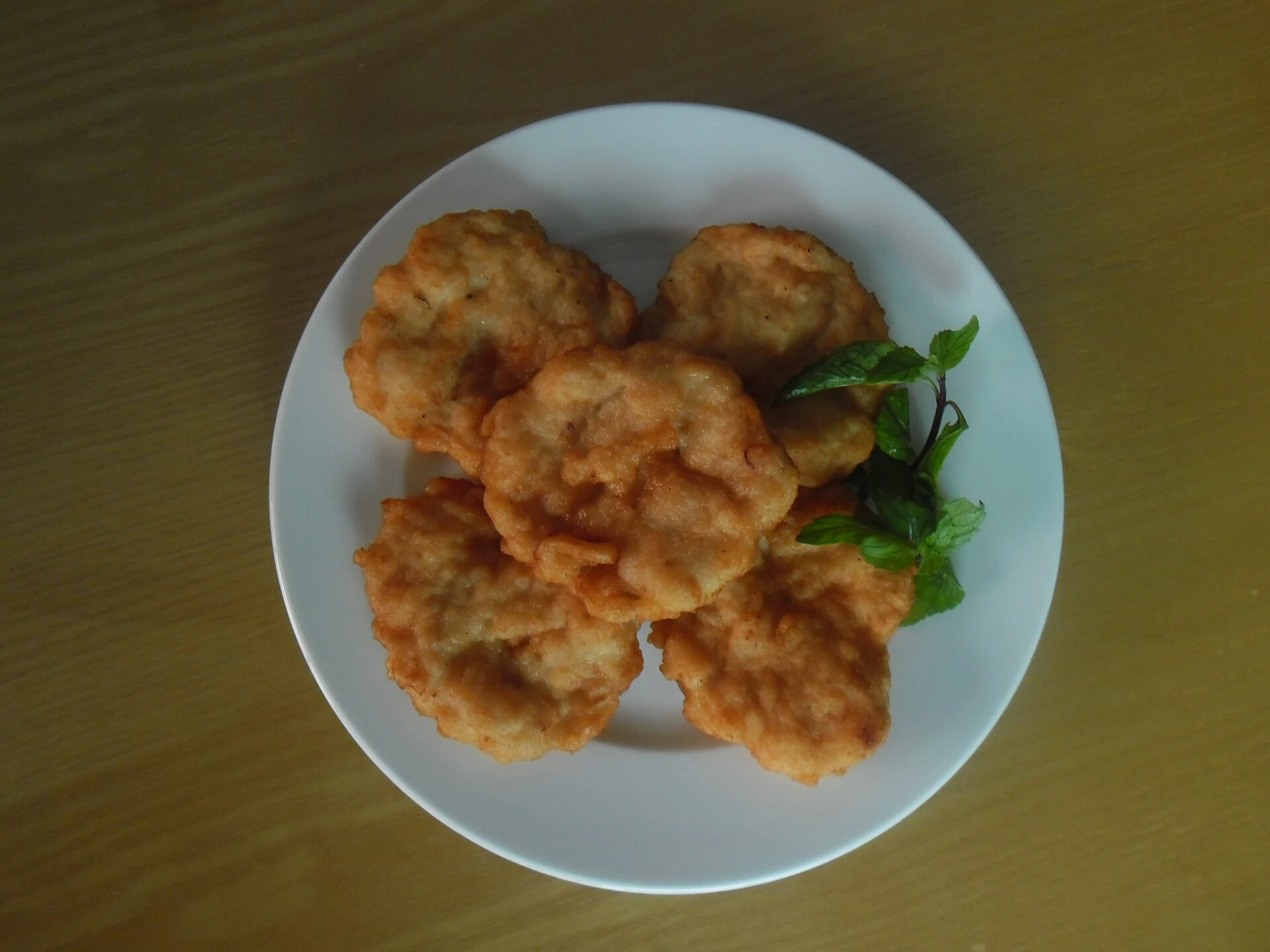
Chả mực needs less decoding because Quảng Ninh’s tourism authority already documents it well, and this site’s guide to hand-pounded squid covers the craft. It is a squid patty, usually fried, served with rice, sticky rice or bánh cuốn. For this menu, what matters is that it is a prepared food: the words hand-pounded describe a method, not an ingredient list, and a fish-paste blend would not necessarily announce itself.
So order it plainly, with rice or rolls, and use texture as your guide. Ask what is in it if you have an allergy, since binders and seasonings differ from cook to cook. Then decide about a takeaway only after asking how long it keeps and how it should be stored.
Questions travellers ask
What does sá sùng actually taste like in a dish?
Sources describe its value as a natural sweetness in broth and soup. It comes fresh or dried, so ask which form the kitchen is using before you judge the dish.
Is dried sá sùng from Vân Đồn protected?
Vân Đồn sá sùng holds a geographical indication reported from 2015. That protects the name for qualifying product; it does not certify every packet sold nearby, so ask about origin.